Emotional Growth Ireland: Build EQ One Pause at a Time
Emotional growth in Ireland, like anywhere else, rarely arrives as a breakthrough. It looks like a Tuesday evening at the kitchen table. Someone says something small, your jaw tightens, and three seconds later you have said something you cannot unsay.
Those three seconds are where emotional intelligence lives. The good news is that they can be trained.
What EQ is, in plain terms
Emotional intelligence, or EQ, is the ability to notice what you are feeling, work out what is behind it, and choose what to do next. It also covers reading what other people feel, but that part gets easier once the first part is in place.
Plenty of self development advice is about doing more. EQ is about what you do with what you feel.
It is not being nice. It is not staying calm at all costs, and it is not burying anger to keep the peace. Someone who swallows every feeling has low EQ and good manners. The aim is to feel it, understand it and then act on purpose.
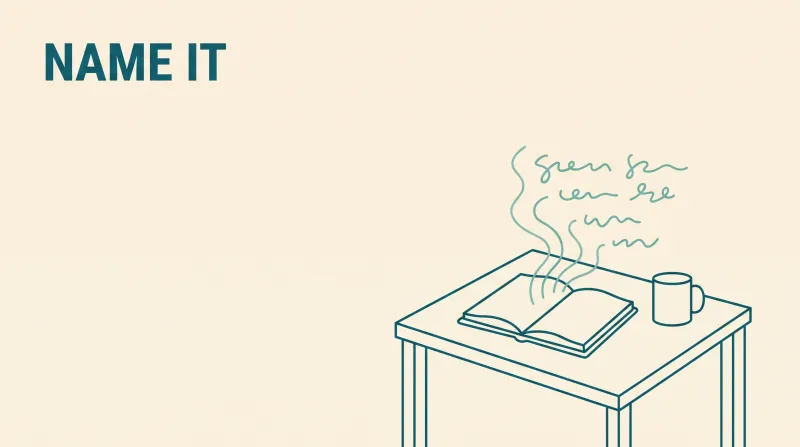
Emotional growth Ireland starts with a bigger word list
Ask most people how they feel and you will get one of three answers: fine, stressed or annoyed. Those words cover too much ground to be useful.
Putting a more exact name on a feeling tends to take some of the heat out of it, and it points you at what you actually need. A few swaps to try:
- "Stressed" might be overloaded, afraid of getting it wrong, or dreading a conversation.
- "Angry" might be disrespected, ignored or powerless.
- "Tired" might be bored, numb or run down.
You do not need a perfect word. You need one that is closer than the last one.
Read the body first
Feelings show up in the body before they reach words. A tight jaw, a hot chest, a hollow stomach, shoulders creeping up toward your ears. Most of us have a favourite spot.
For a week, notice yours. When it fires, you have caught the feeling early, while there is still room to do something about it. That small catch is the whole skill.
Listen without fixing
Reading other people starts with the same skill. When someone tells you about a bad day, the urge is to fix it. Offer a solution, share a similar story, say it will be fine. Most of the time they wanted to be heard first.
Try one thing in your next conversation: ask a second question before you say anything about yourself. "What was the worst part?" works almost every time. You will learn more, they will feel understood, and you will notice your own feelings rising and falling while you listen. That is the pause again, practised in company rather than on your own.
Build the pause
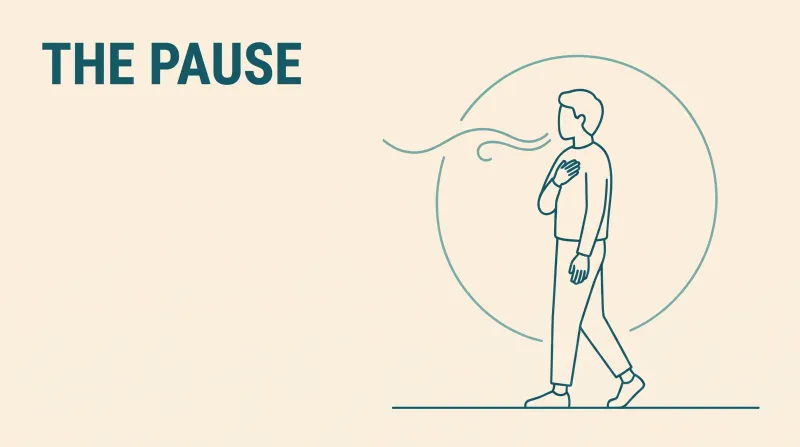
Once you notice, take one slow breath out, longer than the breath in. That is it. The pause is not about being calm. It is about getting a single second of choice between the feeling and the reaction.
In that second you can ask one question: what do I want to happen next? Often the honest answer is not to win the argument but to be understood, or to be left alone for ten minutes. Say that instead. Try it first on low-stakes moments, like a slow queue or a late bus, so it is there when the stakes are higher.
Repair is part of the skill
You will get it wrong. Everyone does, including people who have practised for years. What separates high EQ from low is not the mistake but what comes after it.
Go back and say it plainly. "I snapped earlier. It was not about you, and I am sorry." No long speech, no defence. A repair like that builds more trust than never slipping up would.
Train it at night
The daily habit that does the most work is a short review. In your Reflect step, write a few lines on these questions:
- What was the strongest feeling today?
- What was underneath it?
- What did I do with it?
Do not grade yourself. You are collecting evidence about how you work. After a few weeks the patterns are obvious, and you start to catch them live. That is personal growth in Dublin or Donegal, built one honest page at a time.
If a feeling is heavier than a nightly note can carry, talk to your GP, or call Samaritans free on 116 123 at any time.
Physical growth feeds this too. A walk with the phone down clears a racing head faster than another hour of thinking. The free DRG app at app.dailyrebuildguide.com has the Listen, Move and Reflect steps ready for your day. Comment REBUILD on any post at @dailyrebuildguide on Instagram, follow the page, and the invite code lands in your DMs.